What Singapore Residents Actually Pay at Sands Casino
What Singapore Residents Actually Pay at Sands Casino Most Singapore residents have heard of Sands Casino. Fewer have sat down and actually calculated what a single visit costs — beyond the card games...
What Singapore Residents Actually Pay at Sands Casino
Most Singapore residents have heard of Sands Casino. Fewer have sat down and actually calculated what a single visit costs — beyond the card games and slot spins. The number that matters isn't on the gaming floor. It's SGD 150, collected before you pass the first gate.
This is the entry levy: a daily charge imposed on every Singapore citizen and permanent resident entering either licensed land-based casino in Singapore. Tourists with foreign passports are exempt. Locals aren't. And that single figure reshapes the entire economics of choosing between a physical casino floor and an online platform like MBA66.
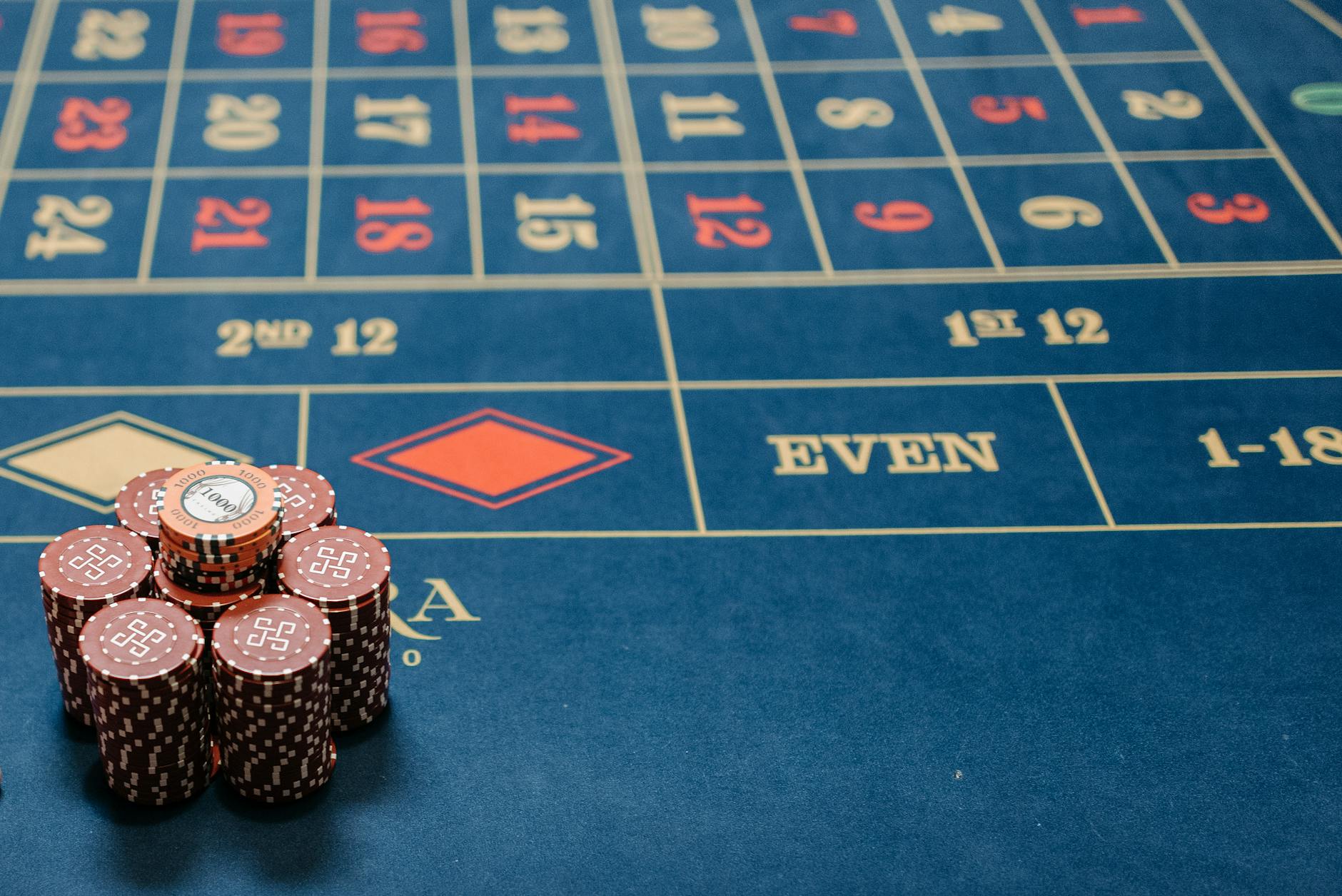
Photo by Pavel Danilyuk on Pexels
The Singapore Sands Casino Entry Levy: How It Works
The Gambling Regulatory Authority of Singapore sets and enforces the levy schedule. There are two options: a daily pass valid for 24 hours at SGD 150, or an annual pass for SGD 3,000 covering unlimited entry to both properties for 12 months. The levy is paid at the kiosk before the gaming floor — it's not a deposit, not a stake, not a credit. You pay it, and it's gone regardless of what happens next on the floor.
The annual pass creates genuine confusion. Residents sometimes mistake it for a pass that only covers a single entry, which would make it absurdly expensive. In practice, it covers unlimited visits across the full year — meaning the 20-visit crossover point is precisely where the annual pass starts saving money over paying daily.
The Crossover Maths: When the Annual Pass Actually Beats the Daily Rate
The arithmetic is clean. SGD 3,000 divided by SGD 150 equals 20. Below 20 visits per year, daily passes are cheaper. Above 20, the annual pass wins. At exactly 20 visits, both cost the same at SGD 3,000.
What does 20 visits mean in practice? Roughly one visit every two-and-a-half weeks — a serious commitment that describes a small fraction of Singapore's casual casino-goers. Most residents who visit do so two to six times annually, comfortably in the daily-pass zone where the levy makes each individual trip proportionally more expensive per visit.
For residents who do cross the 20-visit threshold, the savings are real. Twenty-five visits annually means SGD 3,000 with the pass against SGD 3,750 paid daily — a SGD 750 difference. At 30 visits, that gap widens to SGD 1,500. The annual pass isn't a luxury; for the committed player, it's arithmetic.
The Hidden Cost Layer: What the Levy Does to Your Per-Session Bankroll
Here's the number most residents never factor in: the levy is the first loss on every Sands Casino visit, paid before a single card is dealt.
Consider a conservative session. You walk in with SGD 200, plan to play Baccarat at SGD 50 per hand, and call it an evening after five rounds. You lose every hand — an unlikely scenario, but a useful baseline. You've lost SGD 250 total: SGD 150 to the levy, SGD 100 to the floor. Your SGD 200 bankroll didn't just take losses — it was in deficit before you sat down.
Now layer in the house edge. Baccarat's standard house edge sits at approximately 1.06% on the Banker wager. On SGD 1,000 wagered, expected loss is SGD 10.60. On five rounds of SGD 50 hands, you're wagering roughly SGD 250, generating SGD 2.65 in expected loss to the house edge alone. Add the levy, and you're looking at SGD 152.65 in total expected cost against a SGD 200 session. That's a 76% effective house edge on the minimum viable session — a figure that should give any bankroll-conscious player serious pause.
This is why experienced Singapore players run the numbers carefully. The levy doesn't just add cost; it changes the effective house edge for every session size. A SGD 50 Baccarat player is paying a proportionally far heavier levy tax than a SGD 500 player, which is exactly the protective mechanism Singapore's regulators designed.
Slot RTPs: Sands Casino Singapore Versus Online Platforms
Slot machines represent the clearest RTP differential between physical and online play. Floor machines at licensed land-based casinos in Singapore typically return between 88% and 92% of total wagers over their lifetime. The remaining 8-12% is the house take, distributed across all players over time.
Major online slot providers serving platforms like MBA66 — Pragmatic Play, JILI, Nextspin, Fa Chai, and Spade Gaming — routinely certify games at 95% to 97% RTP. Premium titles in this ecosystem occasionally reach 98%. That 6-10 percentage point spread translates directly to bankroll longevity. On SGD 1,000 wagered, the difference between an 88% and a 96% RTP slot is SGD 80 in expected returns retained by the player.
This is not a trivial edge for the serious slots player. Slot selection strategy — choosing 96% RTP titles over 88% machines — is among the few genuine levers available to players who want to maximise playtime per deposit. MBA66 integrates all of these major Asian providers, giving players the ability to compare and select based on published RTP data rather than floor positioning.

Photo by Jonathan Borba on Pexels
Live Dealer, Real Cards, and the MBA66 Alternative
Baccarat remains the dominant game on the Sands Casino Singapore floor, and for good reason: it's fast, it's transparent, and the rules are clean. The live dealer experience at Sands — professional croupiers, physical cards, real-time play — delivers an atmosphere no simulation replicates.
But the SGD 150 daily levy fundamentally changes the session economics for the moderate bankroll player. At MBA66, there is no entry levy. A SGD 150 deposit goes entirely into gameplay. For a player with a SGD 500 bankroll considering a Sands visit, the levy alone represents 30% of their total bankroll — lost before the first hand is dealt. The same SGD 500 on MBA66 funds actual gameplay across Baccarat, Sic Bo, Roulette, Blackjack, Dragon Tiger, and live dealer tables from Evolution and other leading studios.
Table minimums at Sands Casino Singapore can reach SGD 25-100 per hand, which can quickly erode a modest bankroll. Online platforms like MBA66 offer significantly lower table minimums, extending playtime and reducing the pressure to overextend on any single round.

Photo by Nika Benedictova on Pexels
Beyond the economics, the live dealer catalogue at MBA66 deserves attention on its own merits. Games are streamed in real time from professional studios, with all dealing and shuffling visible and verifiable. No RNG concerns, no black-box outcomes — every card flip is observable. For experienced players who value transparency, this matters.
The payment infrastructure deserves equal weight in any serious platform comparison. MBA66 processes deposits and withdrawals through online banking, with 24/7 support available via live chat. For players accustomed to waiting days for casino cage payouts, fast, fee-free withdrawals represent a meaningful quality-of-life upgrade.
FAQ
Is the Singapore Sands Casino entry levy mandatory for all residents?
Yes. All Singapore citizens and permanent residents must pay the levy to enter any licensed land-based casino in Singapore, regardless of how long they plan to stay. Tourists holding foreign passports are fully exempt. There are no workarounds, deferrals, or loyalty exemptions for the levy itself.
Does the annual pass at SGD 3,000 actually cover unlimited visits?
Yes. The annual pass covers unlimited entry to both licensed casinos in Singapore for 12 months from the date of purchase. It does not expire after a single visit. The cost breaks even against daily passes at 20 visits per year — beyond that, every additional visit saves money compared to paying daily.
Do online platforms like MBA66 have the same entry restrictions?
No. Online platforms are not subject to Singapore's entry levy framework because they operate under offshore licensing jurisdictions. Players access MBA66 directly without any daily or annual fee, meaning 100% of every deposit funds actual gameplay. This is a structural cost advantage that compounds significantly over frequent play.
Which games offer the best RTP on online platforms?
High-RTP slot titles from Pragmatic Play, JILI, and Nextspin consistently score 95-97%, with select games reaching 98%. These figures are independently audited and published by the providers. Baccarat and specific Sic Bo wagers offer the lowest house edges among table games — Banker in Baccarat sits at approximately 1.06%. Games with published RTP data should be preferred over machines with opaque return rates.
The annual pass crossover point — 20 visits per year — is a useful reference, but it doesn't settle the broader question. For Singapore residents who go 25 times annually, the annual pass saves SGD 750 against daily rates. Thirty visits saves SGD 1,500. That difference compounds over a multi-year gambling budget.
Yet the levy — daily or annual — is only the first layer of the cost stack. Games carry their own house edge on every wager placed. Slot machines on physical floors return less than their online counterparts. And table minimums at licensed land-based casinos in Singapore are structurally higher than what online platforms offer.
The full picture for any Singapore player considering Sands Casino Singapore isn't just the levy. It's the levy plus the house edge plus the table minimums plus the opportunity cost of not playing that same bankroll on a zero-entry-fee platform. Running those numbers doesn't make the physical casino experience invalid — it just clarifies what you're actually paying for when you walk through those gates.
For the experienced player who values transparency in the numbers, the comparison is worth running every time.